Tractors, trucks and tools: building a sensible fleet
Shiny new machines are one of the joys of farming games, but the wrong purchase can stall your progress. These tips help you choose vehicles that actually fit your farm.
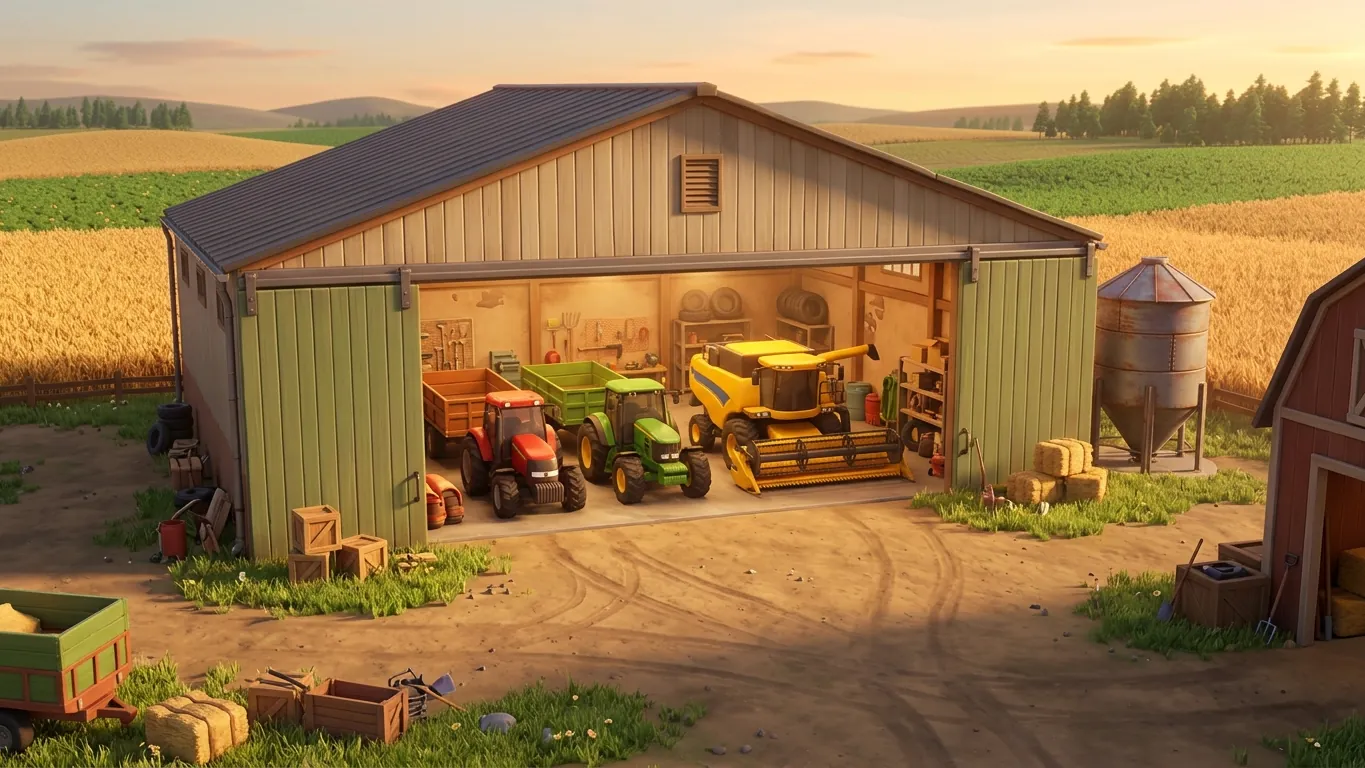
Match horsepower to the job
In many farming sims, each tractor has a power rating, and each implement lists the power it needs. That number is the first thing to check before you buy anything. A small tractor might handle a light cultivator and a seeder perfectly well, but it will crawl or fail to pull a wide plow or a heavy trailer.
At the same time, bigger is not automatically better. An oversized tractor costs more, may burn more fuel if your game tracks it and can be awkward on narrow roads or small fields. Aim for a tractor that comfortably meets the requirements of the implements you use most, with a little headroom for future upgrades.
Implements matter as much as tractors
It is easy to focus on the tractor and forget the tools behind it. Yet the implement determines how fast and how well a job gets done. A wider seeder covers more ground per pass, while a smaller one might be the only option that fits through your field entrance.
Think about your daily jobs. If you grow grains, you will need soil preparation tools, a seeder and a harvester with the correct header. If you raise animals, you may need mowers, tedders, balers and loaders. Writing a short list of the tasks you perform each season makes it much clearer which implements deserve your budget.
Trucks and trailers for moving harvests
A full harvester has to unload somewhere, and that is where trailers and trucks come in. If your selling points are close, a tractor with a large trailer may be enough. If they are far away, a road truck can save a lot of driving time because it usually travels faster on paved roads.
Another option many players like is a dedicated transfer wagon that follows the harvester in the field, then hands the crop off to a truck at the edge. That setup takes more planning and sometimes a helper, but it keeps the harvester moving instead of waiting.
Maintenance and wear
Some farming games simulate vehicle wear and damage, which can raise repair costs or affect performance. If yours does, a used machine at a lower price might need repairs soon after purchase. Check the condition value in the shop before buying, and factor repairs into your plans.
Keeping your machines in good shape is usually simple: visit the workshop when the wear indicator rises, avoid needless collisions and park equipment under cover if your game rewards it. These small habits help your fleet last longer.
Growing a fleet over time
A good fleet is built gradually. Start with one versatile tractor and the essential implements, rent specialized machines when you need them and buy only the ones you find yourself renting again and again. Selling equipment you no longer use can free up money for upgrades that match your current farm.
Most of all, enjoy the process. Picking a new tractor, trying it in the field and seeing your farm become more efficient is one of the most satisfying parts of the genre.
Related articles
 How car handling works in driving simulation games
Why do some driving games feel heavy and others nimble? Explore weight transfer, tire grip, assists and controller settings in plain language.
Read more
 Crop rotation and soil care in farming games
Many farming games reward healthy soil. Learn how crop rotation, fertilizing, liming and fallow fields can work in game, explained step by step.
Read more
 Weather, time and seasons in fishing games
Learn how fishing games often use weather, time of day and seasons to change where fish feed, and how to adjust your spot, bait and depth.
Read more